Have you ever dreamed of running a giant company while still in high school? It sounds like a movie plot, but for Lars Windhorst, it was real life. As a teenager, he turned his passion for electronics into a multimillion-dollar empire. The media quickly noticed his sharp mind and hard work, calling him Germany’s answer to Bill Gates. His journey shows us how far a person can go when they combine passion with a bold vision.
But business is rarely a smooth ride. Over the decades, Lars Windhorst has experienced massive financial victories alongside deep, public setbacks. Yet, every time he faced an obstacle, he found a way to rebuild and move forward. His life story is a masterclass in resilience, change, and the unpredictable world of global finance. Let us take a closer look at the man behind the headlines.
Table of Contents
Who is Lars Windhorst?
Create an interactive biography explorer for Lars Windhorst. \n **Data State:** Use historical milestones: Born Nov 22, 1976; Founded Windhorst Electronics 1993 ($50M revenue); Youngest member at Davos 1996; Founded Sapinda/Tennor 2004; Hertha BSC Investment 2019. \n **Strategy:** Form Layout. \n **Inputs:** Milestone selection (dropdown or clickable list of years/events). \n **Visuals/Behavior:** Display a beautiful, clear summary card for each chosen life phase, including key financial data or historic context. Highlight his transition from tech wunderkind to global financier.”
The Birth of a Teenage Tech Genius
Lars Windhorst was born on November 22, 1976, in a small German town called Rahden. His father ran a local stationery shop, which gave him an early look at how everyday trading worked. By the time he was 14 years old, he was not just playing video games; he was building computers. He converted his family’s garage into a busy workshop where classmates helped him assemble parts.
Instead of buying expensive pieces locally, he looked toward Asia for affordable computer components. This clever sourcing allowed him to build high-quality PCs at a fraction of the usual price. His father had to sign his early business papers because he was still too young to legally bind contracts. This garage operation quickly grew out of the house and into the competitive global market.
Scaling Up Windhorst Electronics
In 1993, while still attending school, he officially launched Windhorst Electronics GmbH. He joined forces with an experienced Chinese businessman named Ming Rong Zhang. This partnership gave the young company a direct line to top-tier electronics manufacturers overseas. The business model worked beautifully because it cut out the expensive middleman.
The growth was explosive. In its very first year of formal operation, the company brought in a staggering 50 million US dollars in sales. Lars Windhorst suddenly found himself managing over 80 full-time employees while his peers were studying for high school exams. He proved that age does not limit your ability to disrupt a major global industry.
Joining the Chancellor on State Visits
As his business success grew, the national media fell in love with his story. Journalists gave Lars Windhorst the nickname “Wunderkind” due to his rapid rise. His achievements caught the eye of the highest political figures in Germany. Former German Chancellor Helmut Kohl was so impressed that he invited the teenager to join official government trips to Asia.
Visualize Lars Windhorst’s early business growth and political networking. \n **Data State:** Initial year 1993, revenue $50M, employees 80+. \n **Strategy:** Standard Layout. \n **Inputs:** None needed, purely a visual growth tracker and timeline visualizer for his early career. \n **Visuals/Behavior:** Show a dynamic chart illustrating the massive spike in revenue from his garage to a global firm, paired with key historical markers like his trip with Chancellor Helmut Kohl and the World Economic Forum.”
Imagine being 18 years old and sitting in meetings with heads of state and top international CEOs. These trips helped him build a vast network of global connections. In 1996, he became the youngest person ever named a “Global Leader for Tomorrow” at the World Economic Forum in Davos. This high-level exposure shifted his focus from local electronics to international investing.
Facing the Dot-Com Crash
The late 1990s brought the rise of the internet, and Lars Windhorst eagerly jumped into this new space. He expanded his operations by founding Windhorst AG and moving his focus toward digital assets and real estate. For a while, the booming internet market caused his company’s value to soar to new heights.
However, the tech bubble could not expand forever. When the dot-com crash hit in the early 2000s, many internet companies lost all their value overnight. His firms faced extreme financial strain, eventually leading to corporate bankruptcy in 2003. He went from massive wealth to owing millions to creditors, proving how volatile the business world can be.
The Birth of Sapinda and a New Era
True entrepreneurs do not stay down for long after a loss. In 2004, Lars Windhorst moved to London to start fresh. He partnered with the wealthy Hersov family from South Africa to launch the Sapinda Investment Group. This new venture shifted away from pure tech and focused on raw materials, agriculture, and real estate.
Sapinda was a massive success during its first few years. The group managed over two billion Euros in deals and investments across the globe. They opened offices in major hubs like London, Berlin, Hong Kong, and Johannesburg. This period marked his transition from a young tech specialist to a mature global financier.
Navigating the Great Recession
Just as Sapinda was hitting its stride, the 2008 global financial crisis shook the world economy. Banks collapsed, and investment capital dried up everywhere. Once again, Lars Windhorst had to adapt quickly to survive a massive economic storm. The crisis forced him to restructure his financial holdings to protect his investors.
He adjusted his strategy by setting up new holding structures to stabilize his assets. Despite the intense pressure and corporate restructuring, he kept his focus on long-term value. This difficult period taught him deeper lessons about risk management and structural resilience in times of global economic panic.
Rebranding to Tennor Holding
In 2019, Sapinda underwent a major change and was rebranded as Tennor Holding. Under this new banner, Lars Windhorst widened his investment scope even further. Tennor began buying controlling stakes in famous luxury brands, including the Italian lingerie company La Perla. He also invested heavily in high-end shipyards like Nobiskrug, known for building custom superyachts.
These investments showed a clear shift toward tangible, high-value luxury assets. He used his deep financial knowledge to inject new equity into these historic brands. While luxury markets can be highly unpredictable, they offered unique growth opportunities that standard stocks could not match.
The Hertha BSC Football Club Venture
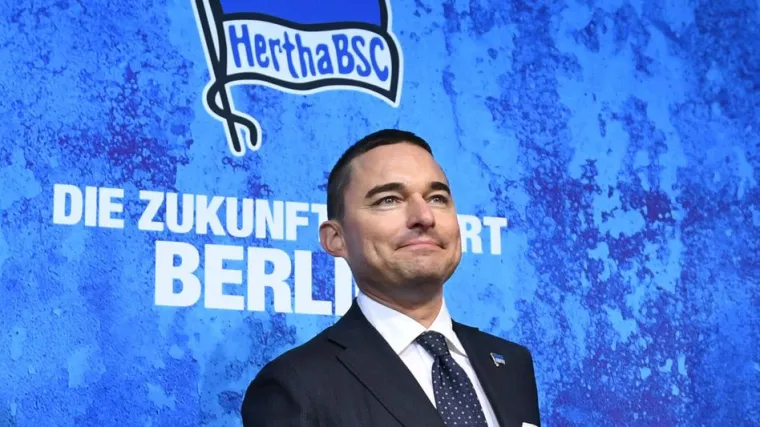
One of his most famous and talked-about moves happened in 2019 when he entered the sports world. Through Tennor, Lars Windhorst invested a massive €374 million to buy a 49.9% stake in the German football club Hertha BSC. His goal was to transform the Berlin-based team into a “big city club” capable of competing at the highest European levels.
Key Takeaway: Turning a sports team around requires more than just money; it demands cultural alignment, patience, and stable leadership.
Unfortunately, the venture faced constant management disagreements, public tension, and weak on-field results. The relationship between Tennor and the club’s board became strained over time. Eventually, he decided to cut his losses and sold his entire stake to the American firm 777 Partners, sustaining a significant financial loss on his original investment.
Current Ventures and Looking to the Future
Today, Lars Windhorst remains an active, high-profile figure in international finance and business strategy. He continues to participate in major global events, such as attending the Munich Security Conference alongside top industrial leaders. His focus remains on finding undervalued assets and helping them grow through Tennor Holding.
His career serves as a vivid reminder that modern business moves fast. Success is rarely a straight line, and the ability to pivot during tough times is what keeps an investor alive in the market. As global markets evolve, the business world watches closely to see where he will direct his capital next.
Important Milestones in the Life of Lars Windhorst
| Year | Life Event or Business Milestone | Key Impact |
| 1976 | Born in Rahden, Germany | Started life in a retail-focused family environment. |
| 1990 | Built personal computers in his garage | Learned international sourcing and electronics assembly at age 14. |
| 1993 | Founded Windhorst Electronics GmbH | Reached $50 million in sales during the company’s first year. |
| 1995 | Joined Chancellor Helmut Kohl’s delegation | Gained rare access to high-level international business networks. |
| 1996 | Named Global Leader at World Economic Forum | Recognized as the youngest participant in Davos history. |
| 2003 | Experienced first major corporate insolvency | Learned tough lessons about market bubbles and debt risk. |
| 2004 | Co-founded Sapinda Investment Group | Shifted focus to global commodities, agriculture, and real estate. |
| 2019 | Rebranded to Tennor and backed Hertha BSC | Invested €374 million into German football and luxury brands. |
Key Lessons from a Global Business Journey
The story of Lars Windhorst offers valuable insights for anyone interested in business or investing. First, it highlights the immense power of early starting and bold actions. He did not wait for permission or a university degree to start building his goals; he simply found a market gap and filled it.
Second, his life proves that failure is not the end of the road. Economic crashes, bad investments, and legal disputes happen to the world’s top financiers. True strength lies in your ability to dust yourself off, look at the data, and build something new from scratch.
Frequently Asked Questions
How did Lars Windhorst start his first business?
He began at age 14 by importing cheap computer components from Asia. He assembled them into complete PCs in his parents’ garage with the help of his classmates and sold them locally.
Why was he called the German Bill Gates?
The media gave him this nickname because he built a multi-million dollar tech company while still a teenager, showing exceptional business skills at a very young age.
What happened to his investment in Hertha BSC?
He invested €374 million into the football club but faced internal conflicts and poor team performance. He eventually sold his stake at a large loss to 777 Partners.
What is Tennor Holding?
Tennor Holding is the current name of his investment firm, formerly known as Sapinda. It focuses on luxury assets, shipping, real estate, and global corporate equity.
How did the dot-com crash affect his career?
The crash caused the internet companies he invested in to lose their value quickly. This led to a corporate bankruptcy in 2003, forcing him to rebuild his wealth from scratch.
Where does Lars Windhorst focus his business today?
He operates as a global financier through Tennor Holding. He looks for unique investment opportunities in luxury brands, industrial companies, and physical real estate around the world.